

No Nonesense
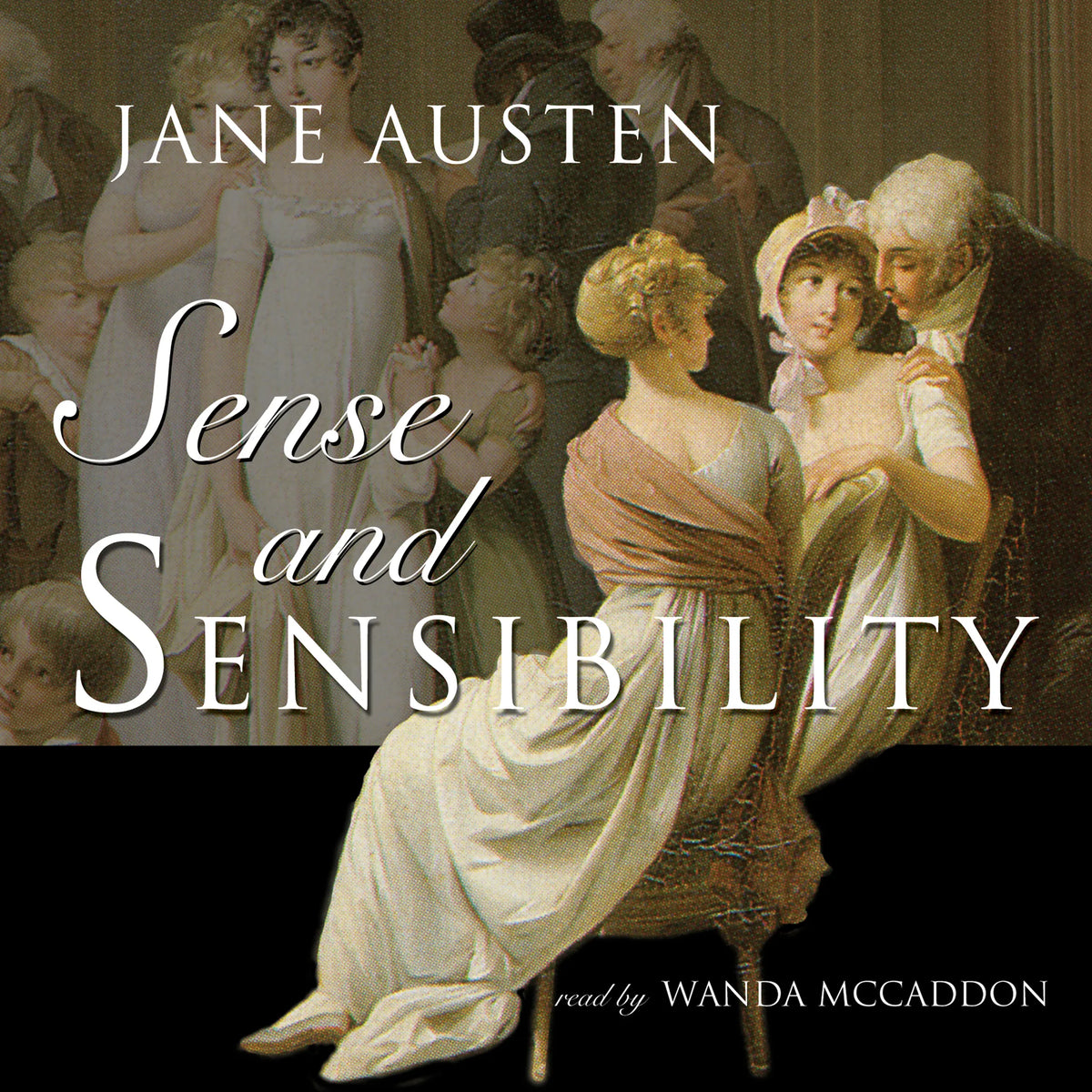
For me, one of the most refreshing aspects of Jane Austen is that she can expose the false fronts and fripperies of society without advocating the dismantling of society. She understands that, regardless of individual members’ misuse of power, influence and money, in spite of their artificial airs and absurd poses, there endures a fundamental soundness. Society is a structure we all need, built on common sense and generations of accumulated experience and is therefore nothing to be tossed away lightly. As hard as some critics have labored to deconstruct her, making her words mean the opposite of what she wrote, or enlist her as an ardent feminist sister (more on that later) for Austen the norms of society, no matter how often ignored, misunderstood or misapplied, are still reliable signposts to the good life. No doubt the society she presents stands in grave need of improvement, but it must be real, genuine improvement. The kind of improvement that only happens when individual men and women freely confess their faults and errors, consciously reform those faults and errors, and then go on to live decently, creating happiness for themselves and others around them. In other words, though I don’t recall Christ ever being mentioned in her books; though no one ever seems to go to church and her clerical characters are among her most dubious examples of humanity, Austen is a profoundly Christian writer. As opposed to a sociological one. John Dashwood’s greed is not a function of his class. He is greedy because he has failed to do combat with his own weaknesses—and because he married a woman incapable of helping him engage in that combat. Willoughby is not selfish and profligate because the half of society that happens to be masculine is, by definition, selfish and profligate, but because self-indulgence and profligacy have worked pretty well for him so far so he sees no reason to alter the program. Meanwhile, Marianne is flighty and romantic, capable of jumping to conclusions and seeing what she wants to see on the slenderest of evidence. But unlike the other two, she is also capable of learning from experience, moving beyond her own (sometimes imagined) troubles and griefs and acknowledging that she has been a fool. The proportion of people capable of that sort of inner revelation and reformation in any given Jane Austen novel is about the same as you or I meet in our daily rounds. It is yet another aspect of her works that makes them so true to life and invaluable as touchstones to equilibrium and sanity. It is fashionable to make Austen a sort of poster-girl for feminism, writing as she does about women without money that have to wait until men with money marry them. According to this reading, the men have all the power, the women are disenfranchised…excuse me, I zoned out there for a minute and thought it was 1973 all over again. It is a popular perception because, like all things popular, it is easily digestible. What it ignores is Austen’s unerring eye for the real power women wield: to make a home (see Mrs. Bennett or Mrs. Norris) a marriage (see John Dashwood’s wife), a circle of friends (see Emma), even a neighborhood (again, Emma) happy or miserable. No one offers a more accurate and incisive portrayal of how bad, awful, self-centered and even wicked women can be—without ever getting near the bedchamber—than this greatest of all novelists. I know it is merely an illusion brought on by her overall excellence, but it seems as if every sentence crackles with insights, observations, irony, humor. Her works are not hard to understand but they do demand one’s full attention. Every sentence is packed. Luckily, we have Wanda McCaddon (Nadia May) to help us here. Her crisp delivery, unwavering even through Austen’s most complex sentences, never fails. You get the distinct sense that she gets Austen, and enjoys her as much as we do.