
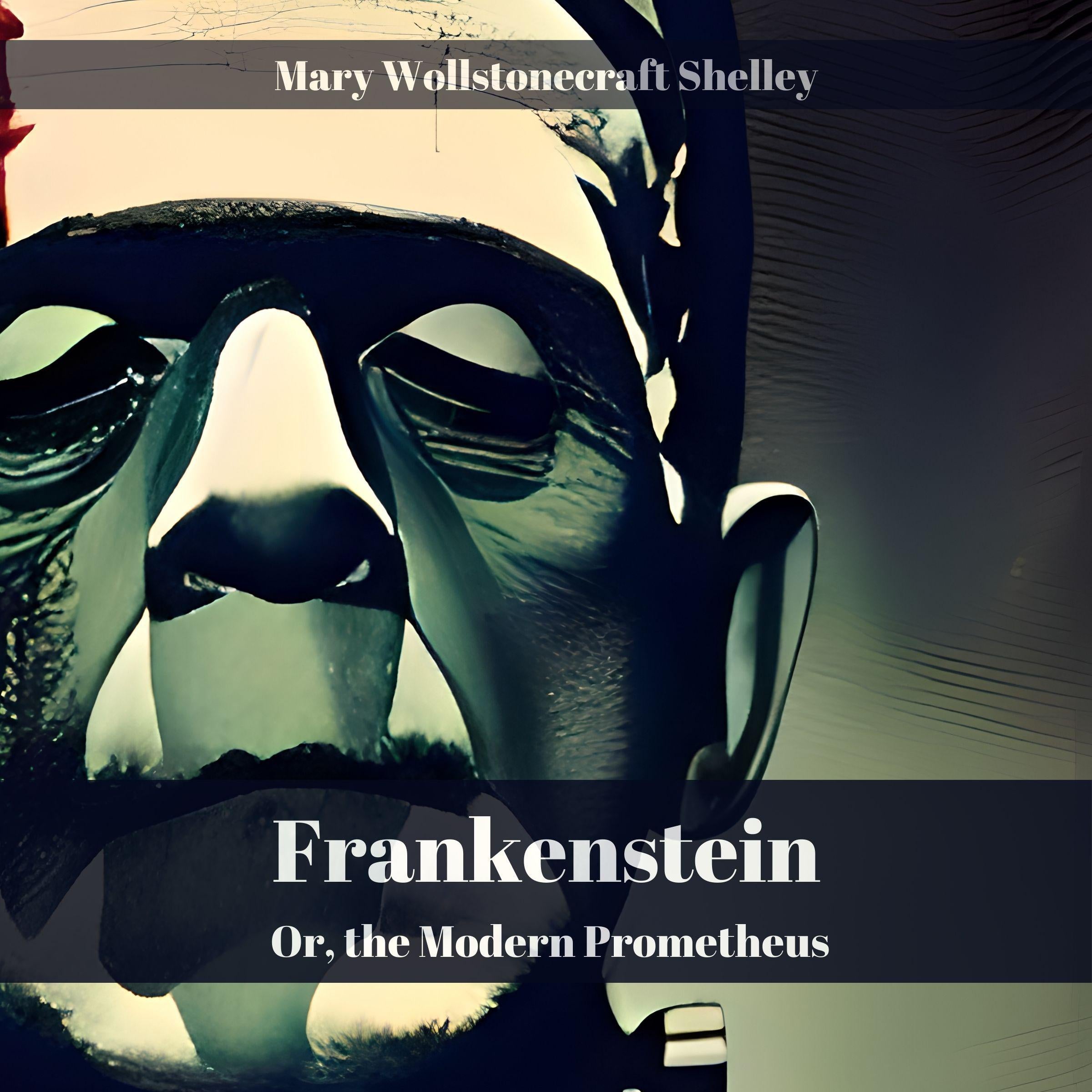
Frankenstein; or, the Modern Prometheus

Monthly Membership
Cancel anytime!
Memberships will renew every month
One credit every month on renewal
You can spend 1 credit every month to get an audiobook
Frankenstein; or, the Modern Prometheus
In the early nineteenth century, English author Mary Wollstonecraft (Godwin) Shelley penned a novel that would forever alter literature. Born in 1797, Mary's unconventional upbringing shaped her worldview. During a summer near Lake Geneva in 1816, she conceived the tale of Victor Frankenstein, a brilliant but tormented scientist.
Driven by relentless ambition, Victor embarked on an unorthodox experiment: creating life itself. The result-the Creature, often called "Frankenstein's Monster"-was stitched together from various body parts. Seeking understanding and acceptance, the Creature grappled with its existence and harsh treatment.
The novel delves into profound themes: ambition, nature vs. nurture, responsibility, and loneliness. Beyond horror, "Frankenstein" challenges us to consider science's boundaries and creators' roles. It serves as a cautionary tale, warning against unchecked ambition and dehumanization.
Because of time, some words in the novel may have changed meanings.
Praise