
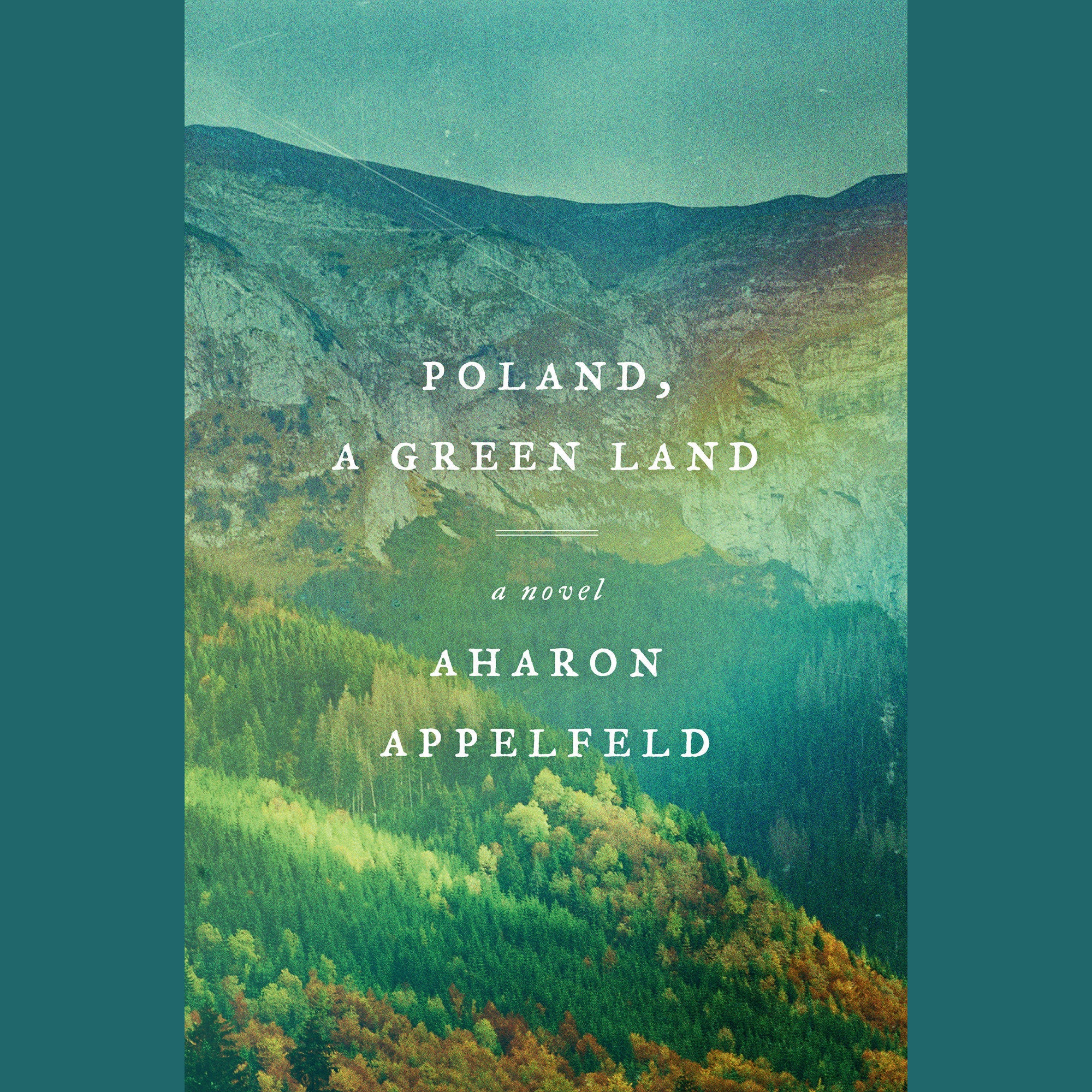
Poland, a Green Land
Read by
Gilli Messer
Release:
06/20/2023
Runtime:
6h 12m
Unabridged
Quantity:

Monthly Membership
$12.99
Cancel anytime!
Memberships will renew every month
One credit every month on renewal
You can spend 1 credit every month to get an audiobook
Appelfeld was one of the most revered Israeli writers of his generation . . . Interestingly, it was his affinity with the minimalist European masters of ‘intellectual displacement
Franz Kafka, Bruno Schulz, Albert Camus—that became his most notable literary trait. Poland, a Green Land is written with his characteristic economy of language and powerful imagery . . . With deep wisdom and sensitivity, it explores the tragic consequences of denying one’s inner truth. Appelfeld’s unique literary achievement is his ability to also include the perpetrators of the crimes against humanity and their descendants in this psychological link between past and present.
A Tel Aviv shopkeeper visits his parents’ Polish birthplace in an attempt to come to terms with their complex legacy—and is completely unprepared for what he finds there.
Yaakov Fine’s practical wife and daughters are baffled by his decision to leave his flourishing dress shop for a ten-day trip to his family’s ancestral village in Poland. Struggling to emerge from a midlife depression, Yaakov is drawn to Szydowce, intrigued by the stories he'd heard as a child from his parents and their friends, who would wax nostalgic about their pastoral, verdant hometown in the decades before 1939. The horrific years that followed were relegated to the nightmares that shattered sleep and were not discussed during waking hours.
When he arrives in Krakow, Yaakov enjoys the charming sidewalk cafes and relaxed European atmosphere, so different from the hurly burly of Tel Aviv. And his landlady in Szydowce—beautiful, sensual Magda, with a tragic past of her own—enchants him with her recollections of his family. But when Yaakov attempts to purchase from the townspeople the desecrated tombstones that had been stolen from Szydowce’s plowed-under Jewish cemetery, a very different Poland emerges, one that shatters Yaakov’s idyllic view of the town and its people, and casts into sharp relief the tragic reality of Jewish life in Poland—past, present, and future.
In this novel of revelation and reconciliation, Aharon Appelfeld once again mines lived experience to create fiction of powerful, universal resonance.
Yaakov Fine’s practical wife and daughters are baffled by his decision to leave his flourishing dress shop for a ten-day trip to his family’s ancestral village in Poland. Struggling to emerge from a midlife depression, Yaakov is drawn to Szydowce, intrigued by the stories he'd heard as a child from his parents and their friends, who would wax nostalgic about their pastoral, verdant hometown in the decades before 1939. The horrific years that followed were relegated to the nightmares that shattered sleep and were not discussed during waking hours.
When he arrives in Krakow, Yaakov enjoys the charming sidewalk cafes and relaxed European atmosphere, so different from the hurly burly of Tel Aviv. And his landlady in Szydowce—beautiful, sensual Magda, with a tragic past of her own—enchants him with her recollections of his family. But when Yaakov attempts to purchase from the townspeople the desecrated tombstones that had been stolen from Szydowce’s plowed-under Jewish cemetery, a very different Poland emerges, one that shatters Yaakov’s idyllic view of the town and its people, and casts into sharp relief the tragic reality of Jewish life in Poland—past, present, and future.
In this novel of revelation and reconciliation, Aharon Appelfeld once again mines lived experience to create fiction of powerful, universal resonance.
Release:
2023-06-20
Runtime:
6h 12m
Format:
audio
Weight:
0.0 lb
Language:
English
ISBN:
9780593669259
Publisher:
Penguin Random House
Praise