
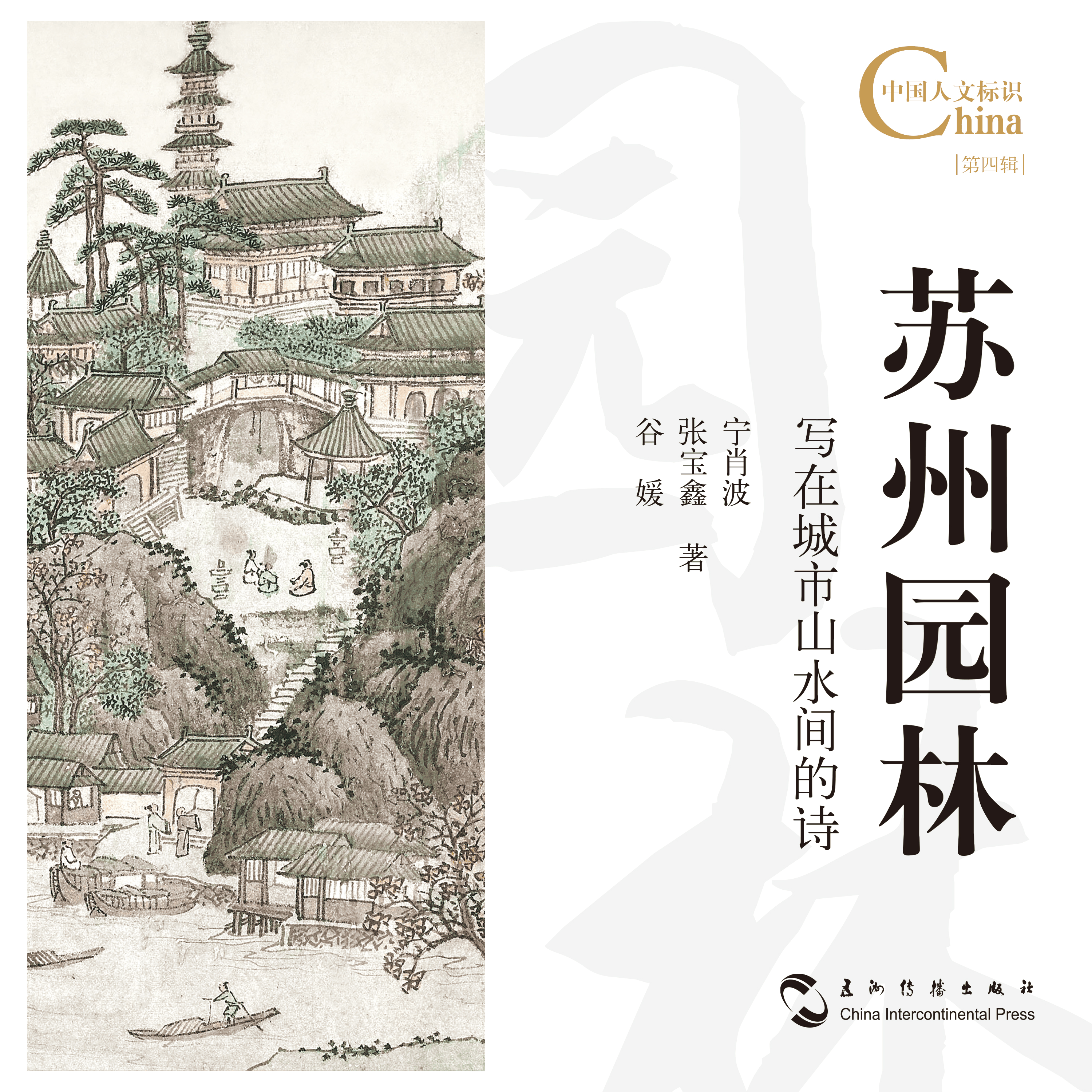
苏州园林,写在城市山水间的诗

Monthly Membership
Cancel anytime!
Memberships will renew every month
One credit every month on renewal
You can spend 1 credit every month to get an audiobook
When did Suzhou gardens originate? Why have they been able to thrive on this land for thousands of years, with stunning masterpieces emerging in every historical period? Canglang Pavilion, Master of the Nets Garden, Lion Grove Garden, Lingering Garden, Couple's Garden… what history do these Suzhou gardens, which recreate a world within a small space, carry? What wisdom of choice of residence do they embody? What reclusive sentiments did ancient Chinese literati express? What were the feelings of those literati who once lived here when they meticulously crafted their homes?
Authors Ning Xiaobo and Zhang Baoxin have been engaged in garden studies for many years and have extensive research experience in garden history and architecture. This book begins with the cultural history and geographical environment of Suzhou, introducing the environmental background of Suzhou gardens. It then recommends one by one the most representative gardens of Suzhou, such as Lion Grove Garden, Canglang Pavilion, Master of the Nets Garden, and Lingering Garden. Each garden has its own unique story and characteristics, representing classic examples of traditional Chinese architecture and a perfect presentation of traditional Chinese culture.
This book belongs to the "Chinese Humanistic Symbols" series published by China Intercontinental Press. This series comprehensively presents the profound traditional culture of the Chinese nation and is considered "the best Chinese reading material." From crafts and artifacts to food and daily life, from customs to etiquette, from figures to landscapes, it uses carefully selected cultural symbols to trace the cultural lineage and spiritual core accumulated over five thousand years of Chinese history, extracting the most representative cultural genes of the Chinese nation and connecting the threads of Chinese cultural heritage. More books in this series can be found by searching "Chinese Humanistic Symbols Series".
Praise